 Mitchell Tebo
Imagine turning a simple side hustle into a $5,000 profit in just four weeks. That’s exactly what Stephen Bailey, a teacher and father of six from Augusta, Georgia, accomplished using the 9x12 postcard marketing system. In an era dominated by digital advertising, direct mail marketing is experiencing a resurgence, offering local businesses a tangible way to reach their target audience. This article delves into Stephen’s success story, providing a blueprint for anyone looking to generate significant side income by connecting local businesses with their communities through targeted postcard advertising. With 20 advertisers secured, a reach of 10,000 households, and a proven four-week completion time, the 9x12 postcard system offers a simple yet effective path to financial success.
This guide is designed for aspiring entrepreneurs, side hustle enthusiasts, and anyone seeking a flexible, community-focused business model. We’ll explore the fundamentals of the 9x12 postcard system, dissect Stephen’s winning strategies, and provide actionable steps to help you replicate his success.
The 9x12 Postcard System Explained
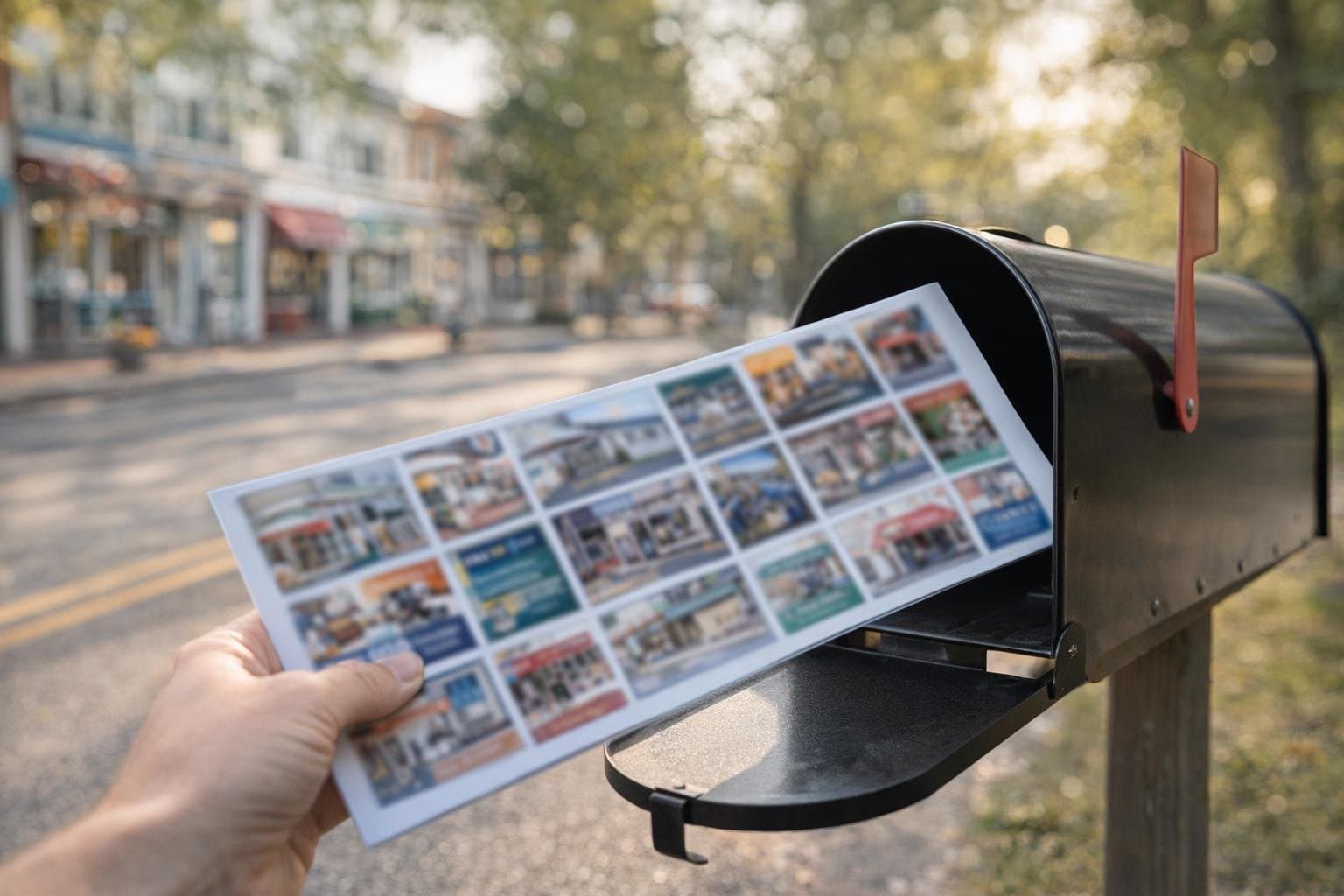
The 9x12 postcard system is a direct mail marketing strategy that involves creating and distributing a large postcard (9 inches by 12 inches) to a targeted geographic area. This postcard features advertisements from multiple local businesses, offering them an affordable way to reach a large audience.
Fundamentals
- Definition: The 9x12 postcard system is a method of aggregating local advertising onto a single, visually appealing postcard.
- Coverage Area and Distribution: These postcards are typically distributed to around 10,000 households in a specific neighborhood or community, ensuring broad exposure for the advertisers.
- Business Model and Profit Potential: The core of the business model lies in selling ad spaces on the postcard to local businesses. The profit potential is significant, with the ability to generate thousands of dollars in revenue from a single campaign.
- Target Market: The ideal target market consists of local businesses such as restaurants, service providers (e.g., plumbers, electricians), retail stores, and other establishments seeking to increase their local visibility.
Pricing Strategy
Stephen Bailey employed a straightforward pricing strategy that resonated well with local businesses:
- Full Ad Spaces: Priced at $600.
- Half Ad Spaces: Priced at $350.
This pricing structure provides flexibility for businesses with varying advertising budgets, making the system accessible to a wider range of clients. The value proposition is clear: for a fraction of the cost of traditional advertising methods, businesses can reach a large, targeted audience.
- Payment Methods and Collection Strategies: Stephen primarily used online payment methods like Zelle, PayPal, and Apple Pay to streamline transactions. Offering multiple payment options made it convenient for clients to pay quickly and securely. He collected 100% of the payment upfront, minimizing the risk of non-payment and ensuring a steady cash flow.
Stephen’s Success Blueprint
Stephen’s success wasn’t a matter of luck; it was the result of a well-executed plan and a commitment to consistent effort. He balanced his teaching career, family responsibilities, and entrepreneurial pursuits with remarkable efficiency.
Time Management
- 1-2 Hours Daily Prospecting: Stephen dedicated just one to two hours each day to prospecting and client acquisition. This focused approach allowed him to make steady progress without sacrificing his other commitments.
- Balancing Teaching Career and Family Life: By leveraging online prospecting methods, Stephen could work around his schedule as a teacher and father. This flexibility was crucial to his success.
- Systematic Approach to Client Acquisition: He developed a systematic process for identifying potential clients, reaching out to them, and closing deals. This structured approach helped him stay organized and efficient.
- Focus on Revenue-Generating Activities: Stephen prioritized activities that directly contributed to revenue generation, such as prospecting and selling ad spaces. He avoided getting bogged down in non-essential tasks like logo design or website development.
Digital-First Prospecting Strategy
Stephen’s online prospecting strategy was the cornerstone of his success. By leveraging digital tools and platforms, he was able to reach a large number of potential clients quickly and efficiently.
- Leveraging Local Facebook Groups: Stephen used local Facebook groups to identify businesses that might be interested in advertising on his postcard. He posted in these groups, offering local businesses the opportunity to share advertising space at a reasonable cost.
- Email Outreach Techniques: He spent time researching local businesses online, finding their email addresses, and reaching out to them directly with personalized messages.
- Social Media Business Page Research: Stephen used social media platforms like Facebook and Instagram to research local businesses, understand their needs, and identify potential advertising opportunities.
- Converting Online Leads to Paying Clients: By responding to comments and messages promptly, Stephen was able to engage potential clients, answer their questions, and convert them into paying advertisers.
Implementation Guide
Turning the 9x12 postcard system into a profitable venture requires careful planning and execution. Here’s a step-by-step guide to help you get started:
Design and Production
- Using Canva for Ad Creation: Stephen used Canva, a user-friendly graphic design platform, to create visually appealing ads for his clients. Canva’s intuitive interface and wide range of templates make it easy to design professional-looking ads even with limited design experience.
- Join our Skool Community: For step-by-step guidance and the support of over 2500 9x12’ers, join our thriving community who will make sure you succeed!
- Research Existing Successful Postcards: Before diving into design, Stephen researched other successful 9x12 postcards to get ideas and inspiration. This helped him understand what works and what doesn’t.
- Managing Client Artwork Submissions: While some advertisers provided their own artwork, Stephen often had to create ads for clients who didn’t have the resources to do so themselves. He made sure to gather all the necessary information and create ads that accurately represented their businesses.
- Maintaining Professional Quality Standards: Ensuring that the final postcard looks professional is crucial for attracting advertisers and generating repeat business. Working with a reputable printer and paying attention to detail can make a big difference.
Client Acquisition Process
- Initial Social Media Posts: Stephen started by posting on local Facebook groups, announcing his 9x12 postcard project and inviting local businesses to participate.
- Follow-Up Communication: He responded to every comment and message, engaging potential clients and answering their questions. He followed up with leads via email or messenger to provide more information and close the deal.
- Payment Processing Options: Offering multiple payment options, including Zelle, PayPal, and Apple Pay, made it convenient for clients to pay quickly and securely.
- Building Long-Term Relationships: Stephen focused on building relationships with his clients, providing excellent service and creating a positive experience. This led to repeat business and referrals.
Overcoming Common Challenges
Like any business venture, the 9x12 postcard system comes with its own set of challenges. Overcoming these challenges requires a combination of mental fortitude and practical solutions.
Mental Barriers
- Dealing with Pricing Objections: Some business owners may balk at the price of advertising on the postcard. It’s important to be confident in the value you’re offering and to be prepared to explain the benefits of the system.
- Managing Rejection: Not every business you contact will be interested in advertising on your postcard. It’s important to not take rejection personally and to keep prospecting until you fill all the ad spaces.
- Maintaining Motivation: The process of prospecting and selling ad spaces can be challenging and time-consuming. Staying motivated requires setting achievable goals, celebrating small victories, and reminding yourself of the potential rewards.
- Setting Achievable Goals: Stephen’s initial goal was to sell half the card, breaking even and covering the printing costs. This made the task of filling the card less daunting and more manageable.
Practical Solutions
- Starting with Half-Card Goal: Focusing on selling half the card first can make the process less intimidating and more achievable.
- Handling Difficult Clients: Not every client will be easy to work with. It’s important to set clear expectations, communicate effectively, and be prepared to walk away if necessary.
- Time Management Strategies: Time management is crucial for balancing the 9x12 postcard business with other commitments. Prioritizing tasks, setting deadlines, and avoiding distractions can help you stay on track.
- Building Community Connections: Building relationships with local business owners can make the prospecting process easier and more enjoyable. Attending local events, joining business organizations, and networking with other entrepreneurs can help you build a strong network of contacts.
Scaling the Business
Once you’ve mastered the fundamentals of the 9x12 postcard system, you can start thinking about scaling your business and increasing your income.
Future Growth Opportunities
- Monthly vs. Quarterly Cards: Stephen plans to publish his 9x12 postcard monthly and introduce another card on a quarterly basis, increasing his revenue streams and reaching a wider audience.
- Expanding to Neighboring Areas: Once you’ve established a successful 9x12 postcard business in one area, you can expand to neighboring areas and reach even more local businesses.
- Building Repeat Advertiser Base: Focus on providing excellent service and building relationships with your advertisers. This will lead to repeat business and referrals, creating a stable and predictable income stream.
- Creating Sustainable Income Streams: By publishing multiple postcards on a regular basis and building a loyal base of advertisers, you can create a sustainable income stream that provides financial security and freedom.
Best Practices
- Focus on Core Revenue Activities: Prioritize activities that directly contribute to revenue generation, such as prospecting and selling ad spaces.
- Avoid Unnecessary Complications: Keep the business model simple and straightforward. Avoid getting bogged down in unnecessary tasks or expenses.
- Maintain Simple, Effective Systems: Develop simple, effective systems for managing your business, such as tracking leads, processing payments, and managing client artwork.
- Build Strong Local Relationships: Building strong relationships with local business owners is crucial for long-term success.
Conclusion
Stephen Bailey’s story is a testament to the power of the 9x12 postcard marketing system. By following his blueprint and implementing the strategies outlined in this article, you can replicate his success and generate significant side income while supporting local businesses in your community. The key to success lies in simplicity, consistency, and a commitment to building strong local relationships.
Ready to take the next step? Start by joining our group, identifying potential advertisers in your area, creating a compelling postcard design, and reaching out to local businesses with a compelling offer. With a little effort and dedication, you can turn the 9x12 postcard system into a profitable and rewarding business venture. Don’t overcomplicate it, just stick to the plan and sell those spaces!