 Mitchell Tebo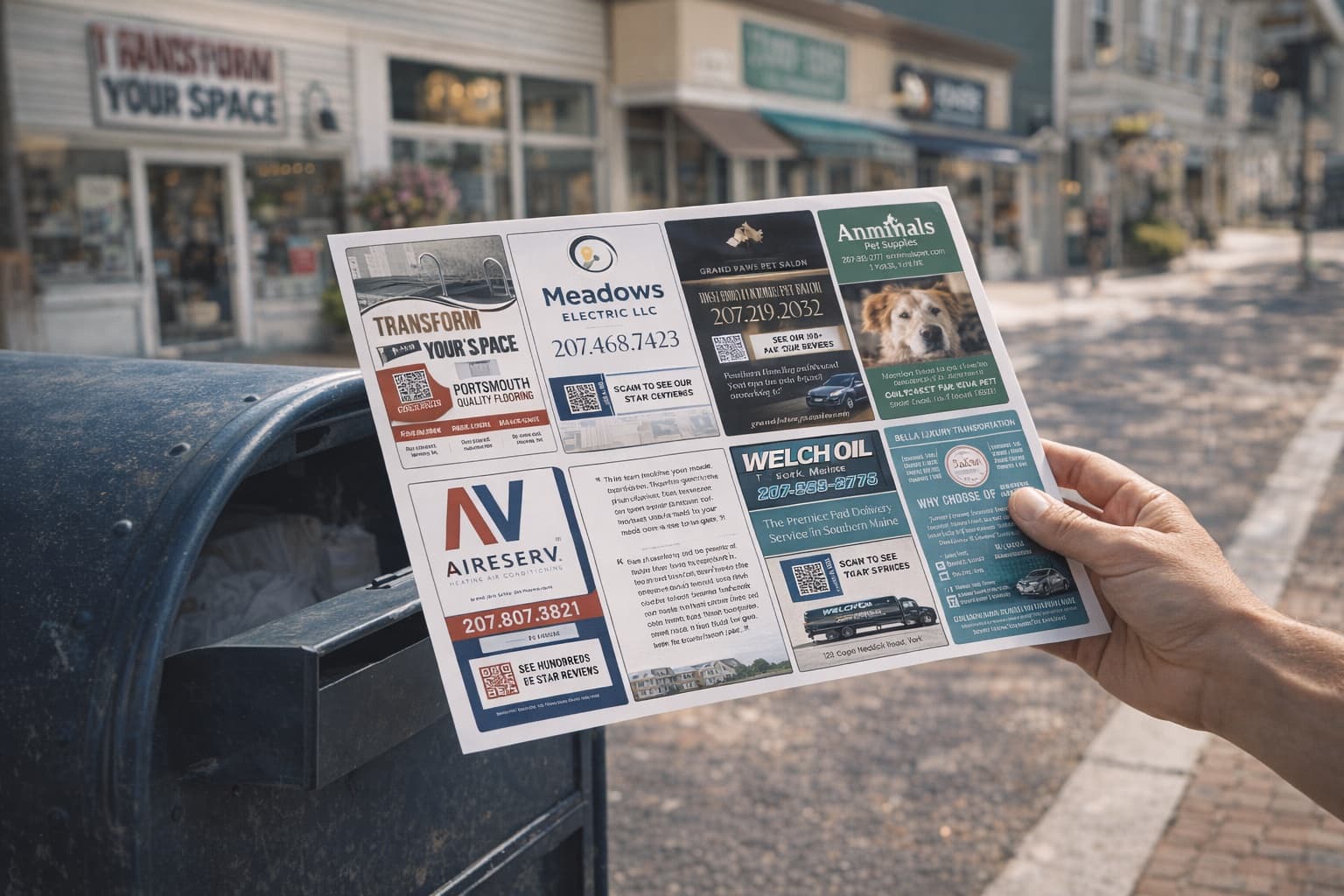
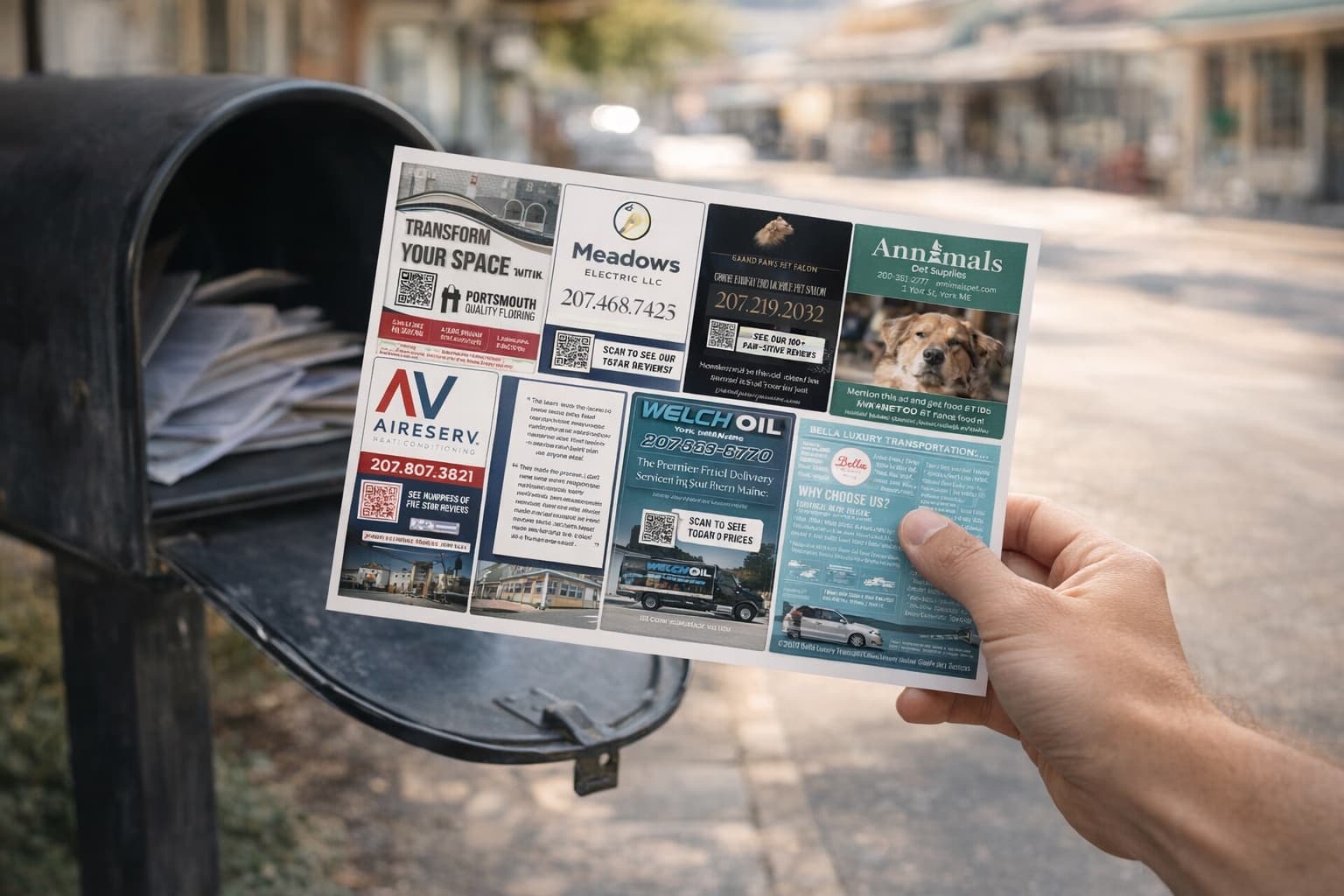
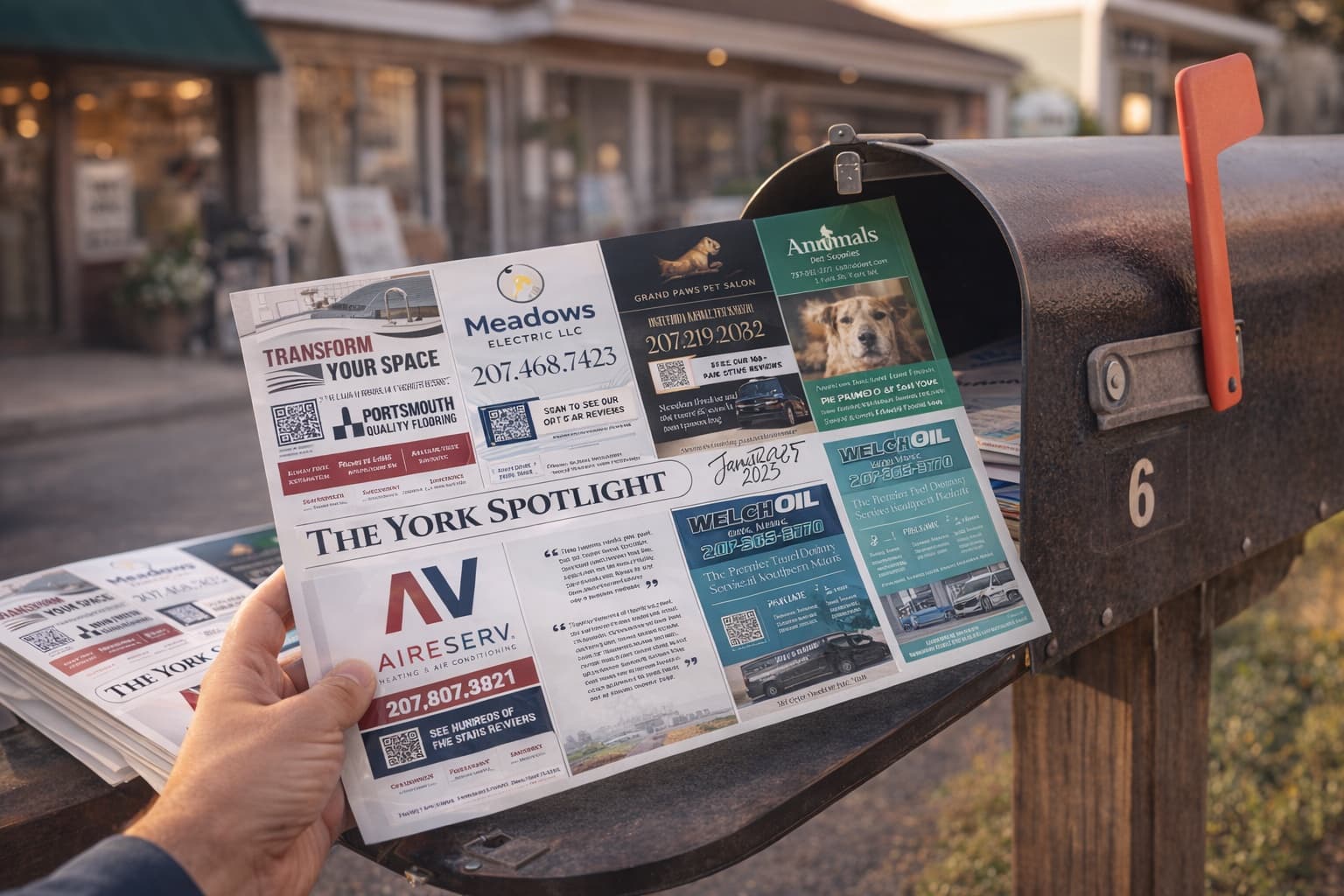
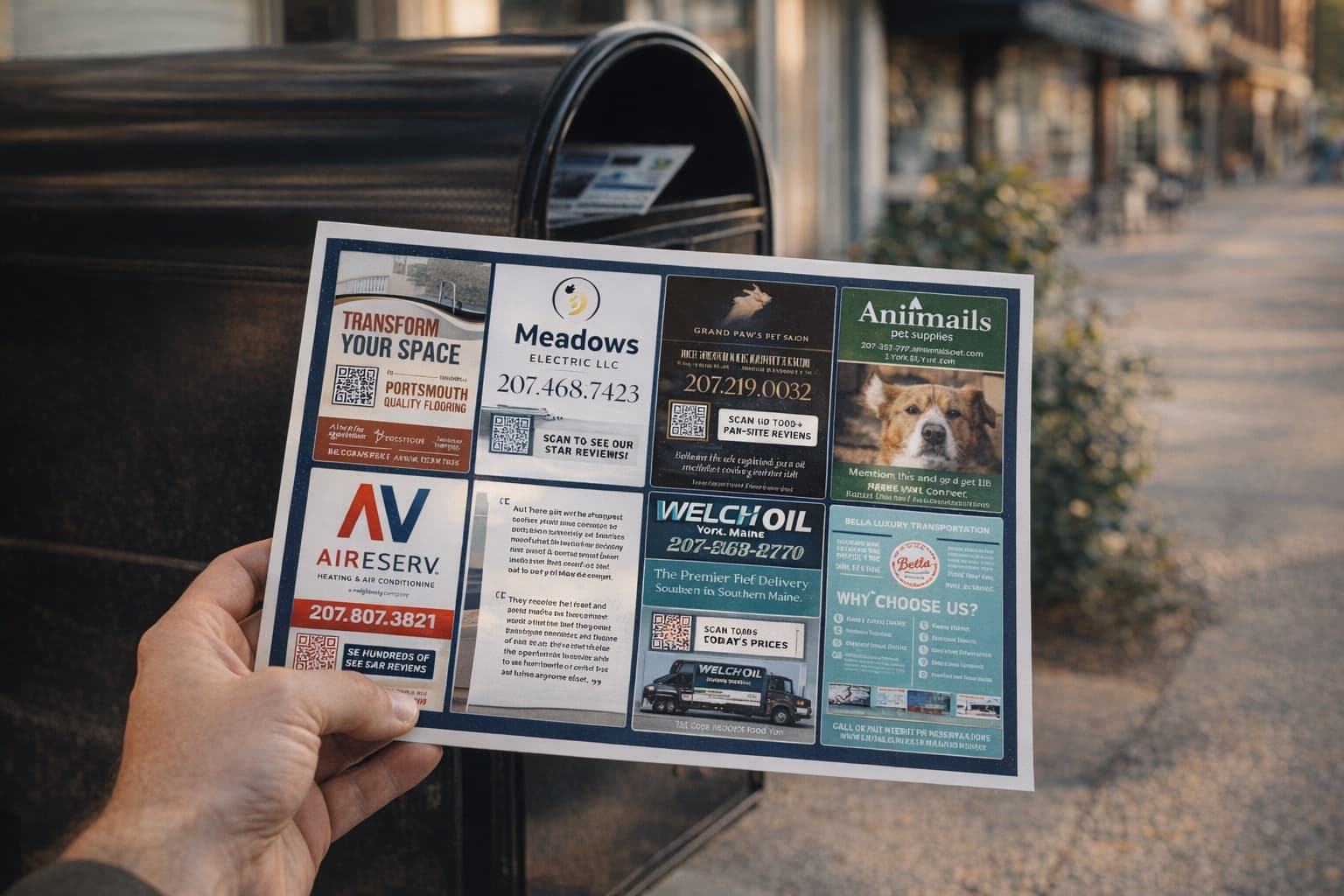
Hey, real talk. The single biggest reason most operators stall at 6 or 7 slots filled is not their pitch. It is not their list. It is not the market. It is the follow-up. Or more accurately, the lack of one. Every operator I work with who is stuck at half a card has the same problem: they sent the first email, the prospect did not reply, and they moved on. That is leaving most of the money on the table. Postcard sales follow-up is where the actual revenue lives. The first message opens the door. The third or fourth message is what closes the slot. Robert proved it. Joshua proved it. Jose proved it. Let me show you the exact system that turns silent prospects into paid advertisers.
Keep it simple. The card doesn't fail. You stop. Let's go.

Why the follow-up is everything
Here is the math nobody talks about. When you send 50 cold emails, you might get 2 or 3 same-day replies. Maybe none. That is normal. That is not failure. That is just what cold outreach feels like at the moment of first contact.
What separates closed cards from stalled cards is what happens between day 1 and day 21. Robert emailed 20 HVAC prospects on a Friday. Got nothing. Followed up Monday. One paid $450 for a spot. His exact words: "Don't ignore the follow up." Joshua sent emails on a Saturday, got an inbox response, then a 20-minute phone call from a 5-year business owner who not only bought in but referred him to other active community owners. Jose got a reply on February 7th, followed up four more times across three weeks, heard absolute silence, then on February 28th the prospect emailed him out of nowhere asking for a double-ad mockup. Closed the deal on March 1st. Seven ad tweaks later, the front of his card was sold out.
None of those sales would have happened without follow-ups. None.
The first message is the door knock. The follow-up is the conversation. If you only knock once and walk away, you never sell anything.
The follow-up timing window
This part matters more than the script itself. Here is the rhythm that actually works.
| Day | Action | Channel |
|---|---|---|
| Day 0 | Initial cold email or DM | Email or Facebook |
| Day 1 | "Floating this back up" follow-up | Same channel as Day 0 |
| Day 4 | Social-proof angle, name confirmed advertisers | Same channel |
| Day 7 | Phone call or text (channel switch) | Phone or text |
| Day 14 | "Last call" deadline message | Email or text |
| Day 30 | Long-game re-engagement |
Six total touches across a month. Some prospects respond on touch 2. Most respond on touch 3, 4, or 5. A surprising number respond on touch 6 weeks after you assumed they were dead.
The reason this works is not because you are being persistent in an annoying way. It is because business owners are busy. Your first email arrived during a roofing emergency. Your second arrived during a payroll headache. Your third caught them on a slow Tuesday afternoon with a cup of coffee and a few minutes to think.
The exact follow-up scripts
These are the templates real operators are using. Copy them. Customize them. Send them.
Day 1: "Floating this back up"
Subject line: just reply to your original email so the thread stays intact.
Hey [Name], just floating this back up in case it landed in your spam or got buried. No worries either way. Same offer. One slot per industry on a 9x12 mailer to 5,000 [neighborhood] homes. We're filling up but I still have [their industry] open. Worth a quick look?
What is doing the work: it is brief, it is respectful, it does not accuse them of ignoring you, and it adds a soft scarcity hint (we're filling up). Sharina's version of this exact pattern got her to a sold-out card.
Day 4: The social proof angle
Subject line: One spot left in [their industry] for the [city] mailer
Hey [Name], quick update. The [neighborhood] mailer is filling up. We already have [Business 1] and [Business 2] on it. I am down to my last open [industry] spot before I have to reach out to [their competitor] down the road. Wanted to give you first dibs since I emailed you first. Want me to hold the spot?
Three things are working: a specific subject line that names their industry, real confirmed advertisers (do not fake these, ever), and an implied competitor that creates loss aversion. If you do not have 2 confirmed advertisers yet, skip this template and go to day 7.
Day 7: Channel switch to phone or text
This is the most important touch. If they have not replied to 2 emails, switch channels. Pick up the phone or send a text.
Phone script:
Hey [Name], this is [Your Name]. Sent you a couple emails about a community mailer for [neighborhood]. I am only running one [their industry] on it, and I would rather have you on it than your competitor. Got 60 seconds to hear how it works?
Text script:
Hey [Name], saw you got a couple emails from me but no reply. Totally get it. Quick text version: 9x12 postcard, 5,000 [neighborhood] homes, only one [industry] on the card. $500 for the slot. Card prints in 2 weeks. Want me to lock it in?
Tyler closed 3 deals in one cold-calling day. Lucy filled half her card from one D2D walk after weeks of email silence. Channel diversity is the unlock when one channel goes quiet.
Day 14: The "last call" deadline
Hey [Name], last time I'll bug you, promise. The [neighborhood] mailer goes to print this Friday. After that, your spot is gone for this round. If you want in, just reply with a yes and I'll send you the link. Either way, hope your business is doing well.
About 30% of "ghost" prospects respond to this one. The deadline creates urgency that the earlier softer touches did not. The "either way, hope your business is doing well" line keeps the door open if they pass. Many of these prospects buy on card #2 because they remember you respected their time.
Day 30: The long-game re-engagement
Three to four weeks after the "last call." Send to anyone who never replied at all (not the people who said no).
Hey [Name], no pressure here. Wanted to let you know card #2 for [neighborhood] is starting soon. Same format. 9x12 going to 5,000 homes. Saw your business in [their industry] and thought you should have first shot at the spot before I reach out cold to others. Want me to send the details?
The "no pressure" framing flips the energy. You are not chasing them anymore. You are offering them a heads-up. A lot of these go on to convert because the prospect saw you actually mail card #1 and now knows you are real.
Why people skip follow-ups (and how to stop)
The reasons operators skip follow-ups are all the same:
Reason 1: "I don't want to be annoying." This is the biggest one. Here is the truth. A business owner who is not interested will not even open your second email. The ones who are interested are the ones still reading. Following up is not annoying to them. It is helpful.
Reason 2: "If they wanted it, they would have replied." Wrong. They are running a business. They have 30 emails before yours and 50 after. Yours got skipped. Your follow-up is their reminder.
Reason 3: "I forgot." This is the real reason for most operators. You sent 40 emails Monday, then sold 2 slots Wednesday, then got distracted by Card #1 logistics on Friday, and by Saturday you have no idea who you reached out to last week. This is exactly why you need a CRM. Not next month. Today.