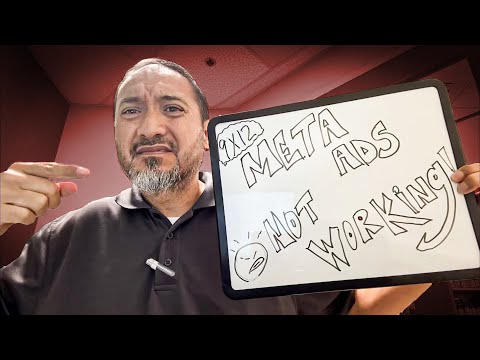
Sell Out An $8,000 Postcard: The 14 Objections Standing In Your Way
Mitchell TeboAugust 24, 202614:30
Mitchell walks through 14 objections and stalls operators hear when selling 9x12 postcard ad slots, using an acknowledge, ask, answer framework for each.
Key takeaways
- Treat every objection as information, not rejection: acknowledge the emotion, ask one question, and only then answer, since owners often talk themselves out of it.
- For "$500 is too much," ask if it is the price or the value, show it is 10 cents a home, and ask what one customer is worth.
- Never carve slots into cheaper sizes; suggest partners like a mortgage broker and a realtor share one slot, or hold a spot with a 50 percent deposit.
- Never promise a number of leads: promise that 5,000 homes will see the ad, then help the owner build a strong offer and a trackable QR code.
- Most objections are polite deflections, so follow up: Robert got no replies from 20 HVAC emails, then closed a $450 deal from the follow-up.
Read the full guide
 Sales & Outreach
7 Postcard Sales Objections and Exactly How to Answer Them
The 7 objections every postcard operator hears and the exact responses that close. Real scripts for price pushback, digital ads, and I tried postcards before.
14 min readVideo
 Sales & Outreach
The Follow-Up System That Closes Postcard Sales
The postcard sales follow-up system that fills 9x12 slots. Real timing windows, exact scripts, and why skipping follow-ups leaves most of the money behind.
14 min readVideo
Read the full transcript
Auto-generated from the video, lightly formatted. Expect a few typos.
Here's something most people don't realize when they start selling slots on a 9 by12 inch postcard. The money isn't in the yes. And don't get me wrong, some of the yeses do come like way too easy. Like you'll literally just tell a business you're putting together a community postcard and some of them will just literally say yes, no questions asked. And with those ones, you're left thinking, "What are you not even going to ask me any questions or anything?"
It feels a little too easy. Like some of them really are that easy. However, that's just the very tip of the iceberg. And if those are the only sales that you're actually closing, then that is the absolute bare minimum. And you are leaving income on the table.
The real money is in the 60 seconds right after somebody tells you no. Because most of the people telling you no right now are not actually telling you no. They're telling you something else and you're just not hearing it. And I want to be totally honest with you before we go any further because honestly, some objections just can't be overcome. Some business owners genuinely don't have $500.
Some of them are quietly closing their doors in 6 weeks and just aren't telling you. Some of them don't like you. They don't like your nose or your ears. And that's fine. So, I'm not going to sit here and pretend I have some magic sentence that turns every no into a yes because I don't.
And anybody telling you that is just lying. But here's the thing. In my experience, the ones you actually can't win are a small slice of the pie. Most objections are not a brick wall. They're a door with somebody behind it.
And almost nobody bothers to open that door. They hear $500 is too much. And then they panic. They either drop the price or they say, "Okay, no problem. Let me know if you change your and then they hang up the phone.
And that right there is the single most expensive habit in the entire business. So, if you're currently letting an advertiser say yes or no and just leaving it at that, and you actually study and use what I'm about to give you in this video, I fully believe that you can move your close rate 40 to 50%. This means in a stretch where you would have made a,000 bucks, you're now making $1,500 with the same amount of outreach, same leads, and same amount of hours. you just stopped hanging up on people who were about to buy but just gave you a little tiny objection. And now let me back up because I'm getting ahead of myself and some of you are brand new here.
So if you've never seen this channel before, here's what we do. We take a big 9x12 in postcard and I mean big. It's the biggest thing anybody gets in their mailbox all week and you sell ad slots on it to local businesses. There's 16 slots on the card, eight per side. $500 each is what you charge.
So that's about $8,000 upfront and you collect every dollar of it upfront before you spend anything. Then you're going to print it and mail it to 5,000 homes in your town through the post office using the Every Door Direct mail program. That printing and mailing runs you about $3,000. So you keep the remaining $5,000 as profit. And you're just a community connector.
You're helping a bunch of local businesses just split the cost of a mailer that none of them could afford by themselves. And that framing matters a lot for today. And you'll see why in about 2 minutes. So we need to get into the right mindset first. Because if you skip this part, the tactics will not work.
They'll just make you sound slimy. So, here's a mindset shift that is crucial to make. An objection is not a rejection. An objection is just information. When somebody says no, they are handing you a free piece of data about what they're actually worried about.
And you should be genuinely curious about it instead of defensive because the thing they say first is almost never the real reason. Like, when they say $500 is too much, it usually means I don't understand what I'm getting for $500 yet. Or they say, "I need to think about it." That usually actually means there's one specific thing bugging me and I don't want to argue with you about it. Or they say, "Send me some info."
And that usually means, "I want to get off this phone politely." Those are three completely different problems and they all sound the same from the outside. So if you just fire back a rehearsed oneliner, you're answering a question that they didn't even ask. And the second big thing, stop trying to win. I see this constantly.
Somebody objects and the salesperson goes into debate mode, loading up the perfect comeback, waiting for their turn to talk. Nobody has ever been argued into buying anything. What actually happens when you win the argument is the potential client feels stupid and people don't buy from people who make them feel stupid. Your job is not to be right. Your job is to understand them so well that they talk themselves into it.
Which brings us to the actual skill in this. And if you take one thing from this entire video, take this. Ask a question before you give an answer. Every single time somebody objects, don't counterattack right away. Instead, pause, agree with their emotion, and then you ask one question about it.
That's it. That's the whole framework. Acknowledge, ask, and then answer. And you'd be amazed at how often you never even get to the answer part because they answer it themselves when you ask them a question. The best sales conversation I ever had, I barely even talked.
The guy objected. I asked him more deeply what he meant by it. He explained it out loud, which he heard himself. And about halfway through explaining it, he went, "Eh, I guess it's not really that big of a deal." He literally objected his own objection just because I asked a question.
I just shut up and let him do it. Okay. And real quick before we get into the tactical stuff, I built a free objection handler workbook that has everything in this video, plus a whole pile of objections that I don't have time to cover today with the exact questions to ask for each one and the follow-up language afterwards. So, if you want that handbook, just comment the word sold down below and I'll send it right over to you. It's totally free.
Now, let's get into the more tactical advice, like the real meat and potatoes, starting with money, because that's what everybody's scared of. Objection number one, and this is one of the most common ones. Okay, so here's objection number one, and this is one of the most common ones. $500 is too much. When they say this, do not immediately defend the price point.
Ask this instead. Okay, totally fair. Can I ask you, is it the $500 itself, or is it that you're not sure what you'd get back from it. Nine times out of 10, they will say it's the second one. And now you're having a completely different conversation because it's not about the $500.
You just need to educate them on what they could get back from it. So then you break it down for them. $500 across 5,000 homes is 10 cents per household. It costs more than that to mail one letter. And then the question you ask that does the actual work should be, what is one new customer worth to you?
If they're a roofer and the answer is like $8,000, you don't have to say another word. They just need one customer. In fact, they actually only need 116th of a customer. So, they could technically afford to join your card 16 times just to get one customer and then they would break even. Let them do that math out loud for themselves.
Guide them through it, but don't do it for them. Okay, that brings us to objection number two, which is, "I don't have the budget right now." Ask them when their budget frees up and ask when they'd want to be in front of 5,000 homes because budget is almost a timing problem, not a money problem all around. And you didn't yet get a real answer from them for timing. So, ask them that.
The card probably doesn't print for a few weeks anyway. So, you can hold their spot with a 50% deposit and collect the balance at print. That's not a discount. That's just putting it on a schedule. And there's a big difference there.
Being creative and flexible just won you a sale that most sales people would turn their back on and give up on. And that brings us to objection number three. Can you do a smaller spot or like a cheaper one? In my opinion, the answer should be no. And you should be proud to say that.
Every slot on the card is the same size unless you're selling a double slot. And this is on purpose so nobody gets buried at the bottom in a tiny box that nobody even reads. If you start carving up slots into smaller slots, you've just told them that the price was made up from the beginning. If they genuinely need help, encourage them to split the payment with a partner. Like many industries work together and would love to advertise together.
For example, like a mortgage broker and a realtor could totally share the price and space of one slot. They work together all the time. So, encourage that and never cut the price. Which leads us to objection number four. Can I pay after I see results?
And here's how you handle that without being rude. I hear you and I'd love to work that way, but to be honest with you, I'm not made of cash. The printer and the post office get paid before a single card hits a mailbox. So, what you're buying is the mailing to 5,000 homes, guaranteed. The money upfront covers the printing and the mailing.
So, I guarantee the exposure. What happens after that depends on your offer. And I'll help you make that offer as strong as I possibly can based on the experience I have helping businesses like yours. So, would you like to pay with a card or check? And that last part matters.
You just went from taking their money to actually being on their team. and you immediately push the sale forward. Which leads us to objection number five. And this one's my favorite. I'd rather put that money into Facebook or Google ads.
That's something you might hear them say. And ask them genuinely, how are you doing with those? Genuinely ask that. You'll hear some very interesting things. Then once you hear those things, don't fight it because it's not either or.
Help them understand digital marketing reaches people who are already searching. This reaches 5,000 homeowners closest to you who have no idea that you exist yet. Keyword on homeowners. And then say the line that lands every time. Say, "Nobody sticks a Facebook ad on their refrigerator.
This card sits in a kitchen for potentially weeks because there's numerous respected local businesses all with valuable offers that can't be redeemed at once." Okay. And now objection number six. And this is purely skepticism. Some will say, "Isn't direct mail dead?"
And to that, I recommend that you ask them if they went through their mail today. I guarantee that they did because everybody does. And there's no spam filter on a mailbox. And here's the honest truth. Mail isn't dead.
It just got quiet because everybody ran to digital marketing and now digital marketing is a war zone and the mailbox has almost nobody in it, which means that 9 by12 can stick out even more. So, while everybody is zigging towards AI and digital, we're zagging into the thing that never stopped working in the first place. And some people might say, "I tried postcards before and it didn't work." And this is one you really have to ask a question about. You should ask them what they mailed, how many homes, and how many times they mailed it.
I can almost guarantee you they only mailed out one time. one solo card, no follow-up, and it costs them probably $2,000. And then you can explain why this is different. This is a shared card with exclusive businesses. So, the cost is a fraction, which means that they can actually afford to run it more than once.
And running it more than once is the entire reason mail works. It takes five or six looks before somebody actually acts. So, this business owner quit after one mailing when they did that solo mailer, and that's why it didn't work. Now, some other business owners might ask you, "How many leads am I going to get?" Never, ever promise a number.
That is the fastest way to burn your reputation in a small town. And here's the honest answer you should give them. I can't promise you customers. What I can promise you is that 5,000 homes are going to see your business. What one of them is worth to you is the math that you already know better than I do.
But that being said, I work with businesses all the time on how to craft a fantastic offer that will increase the odds of bringing customers in while at the same time not just discounting your services that you're proud of, obviously. So, let's talk about what a solid offer would be for your business. You see what I did there? Honesty closes way better than a fake guarantee. and now you're consulting them and providing value to them.
And now some business owners might ask you, "How would I even track it?" This one's easy. You can set up a tracking phone number, a trackable QR code, which we provide at no extra cost if you're a member of the community, or just a specific offer that the customer has to mention. And then you take it one step further, push the sale forward, and offer to build the tracking right into their ad design with the trackable QR code generator that you already have as a member of our school community. Now, you're not just a vendor, you are their marketing guy.
When a business owner hears you got trackable QR codes, you are the holy grail, even though they're honestly really simple. Now, another objection you might get is, "I don't need more customers. We're already busy." And with that, you should respond to them. That's great.
Which type of job would you want more of, though? Is it your most profitable job that's keeping you so busy? Would it hurt to focus on marketing that service more specifically if you have a favorite service? And the reason you ask this is because every single business has a most profitable job that they wish they got more of. The plumber that's busy with clogged drains would love more water heater installs.
And the people who say they're wicked busy more than likely just have those little jobs that they don't even want. So now you're selling them the exact job that they do want. And you can help them craft an offer accordingly. Now, there's also some objections out there that are common and they're called stalls. And stalls are where most cards die, especially if your follow-up isn't amazing.
So if they say something like, "Just give me some info." That's when you should respond yes, absolutely sending it right now. I'll give you a call Thursday at 10:00 to answer whatever comes up. Because if you just send them an email with no next appointment attached to it, it's just a no from them with better manners. They'll never get back to you.
Now, another common stall that they'll use is I need to think about it. We've all heard this one, but you need to dig into what they're actually weighing. So, ask what are you weighing? Is it the price? Is it the timing?
Or whether it's a fit in general. You have to make them pick one. Don't be afraid to kind of dig into it a little bit. Just don't come across as defensive. Come across as trying to understand their situation because you can't handle an objection that they haven't said out loud to you.
And I need to think about it is not an objection. It's just a curtain. Another stall they might use is, "I have to talk to my partner." And that's totally fine. Don't fight it altogether.
Ask what their partner is going to want to know. And then answer that right now on the call so it actually gets pitched properly instead of getting mangled in a hallway conversation. And once again, make sure you book the call back before you get off the phone. Make sure you have your next appointment scheduled. And another common stall that they'll use is, "I'm too busy.
Call me later." Say, "Okay, totally understand. I'll just give you the 10-second rundown and you can let me know if it makes sense for us to talk about it later on today. Just about anybody will give you 10 seconds if you're telling them that you'll hang up the phone after that. So, give them your three sentence elevator pitch right there because you should have one of those.
And if your elevator pitch is scripted properly, they will most likely be interested to at least have a conversation later on. But later is not a time, remember, later is a place where deals go to die. So before you let them go, make sure you schedule a time for you to have the call back. Okay, so zooming back out now because the tactics are worthless without this last part. Here is the pattern underneath every single objection I just gave you.
Most of them are not objections at all. They're just deflections. They're the polite thing that people say to end a conversation, which means the only truly fatal mistake in this business is not following up with people. The sale almost never happens on the first touch. It happens on the second, third, or fourth touch.
For example, a member of our community, Robert, emailed 20 HVAC companies on a Friday. He received no responses. So, a couple days later, he followed up with all of them and got paid $450. Not from the first email, but from the follow-up. So, build that follow-up in before you need it.
Just put every conversation in a CRM or spreadsheet the day that you start, not the day that you get overwhelmed and now you have to backtrack. And lastly, when somebody says no, you have not lost anything. You didn't have their money 5 minutes ago, and you still don't have it now. You're net neutral. In fact, you actually learned something.
So, you're still a net positive even though they said no. So, the operators who sell out cards fast are not smoother than you. They're not more charming, although some might be, but more importantly, they're just harder to get rid of in the nicest possible way, of course. Still be respectful. Now, if you've been having trouble getting your card sold out, consider joining our community of over 2900 other members doing this around the country.
And in this community, you'll get access to the full course, all of the scripts, the design templates, and the live calls where we work through this stuff together. So, if you're interested in that, the link is in the description to join. And if you want to see how this looks when the outreach is done right in the first place, watch this video here where I break down exactly how to avoid ending up in the spam box because objection handling won't matter if people aren't seeing your messages in the first place. And again, don't forget to comment the word sold and I'll send you the objection handler workbook for free. As always, I'm rooting for you.
Peace.
New videos every week on YouTube.
Subscribe on YouTube